Unknown project
The project page you are trying to reach does not exist. I killed a bunch of deadprojects which could very well explain this.
The project page you are trying to reach does not exist. I killed a bunch of deadprojects which could very well explain this.
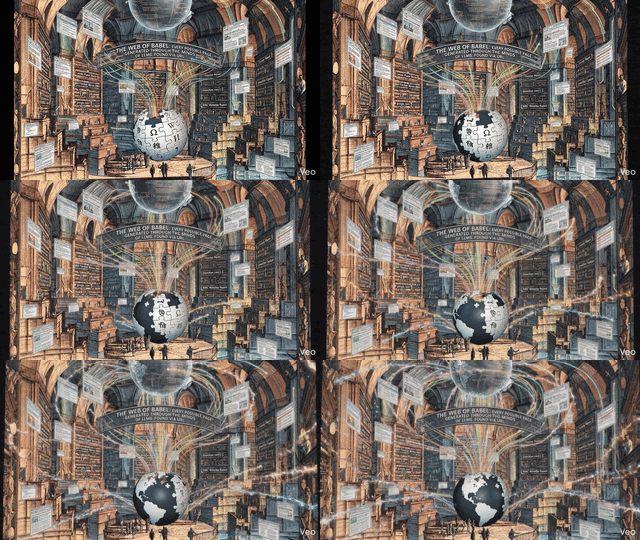
A browser for an internet that doesn't exist, inspired by Borges' Library of Babel. Type any URL and an AI hallucinates a plausible web page. Click links to keep browsing.
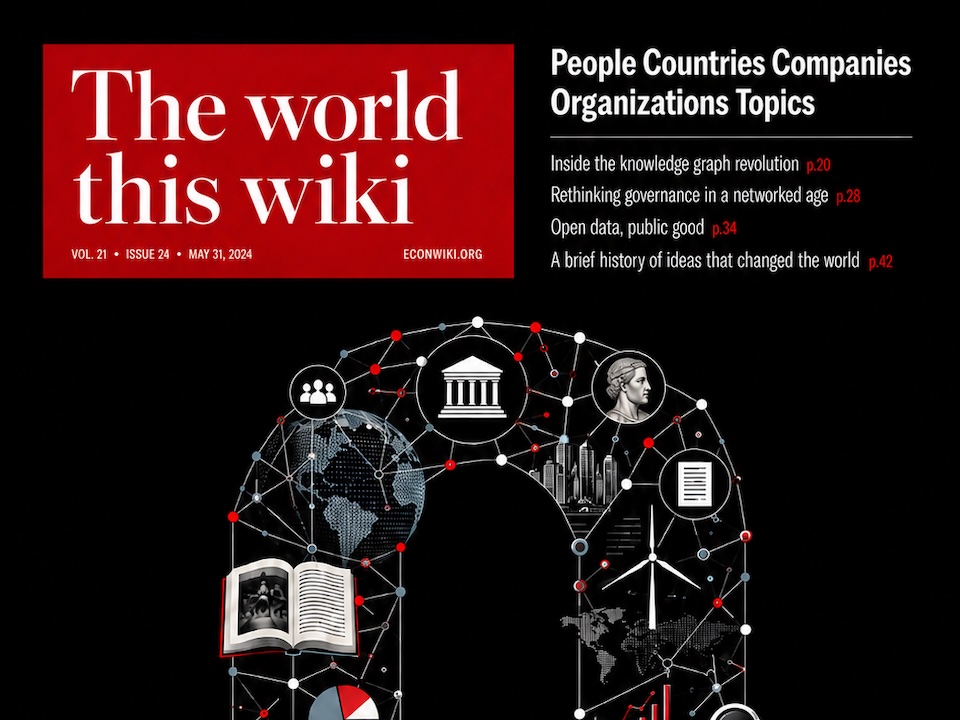
The idea of LLM Wiki applied to a year of the Economist. Have an LLM keep a wiki up-to-date about companies, people & countries while reading through all articles of the economist from Q2 2025 until Q2 2026.

I wrote a book for O'Reilly about Machine Learning. It will teach you a wide range of techniques, using projects similar to the sort of thing that you can find on this website. Word2Vec, GANs, music analysis. You should buy it! Oh and all the code is on GitHub.

A revived World66 travel guide, restored from the old open-content archive and reimagined for AI-assisted contributions. The site serves more than 20,000 destination pages as markdown-backed travel guides.
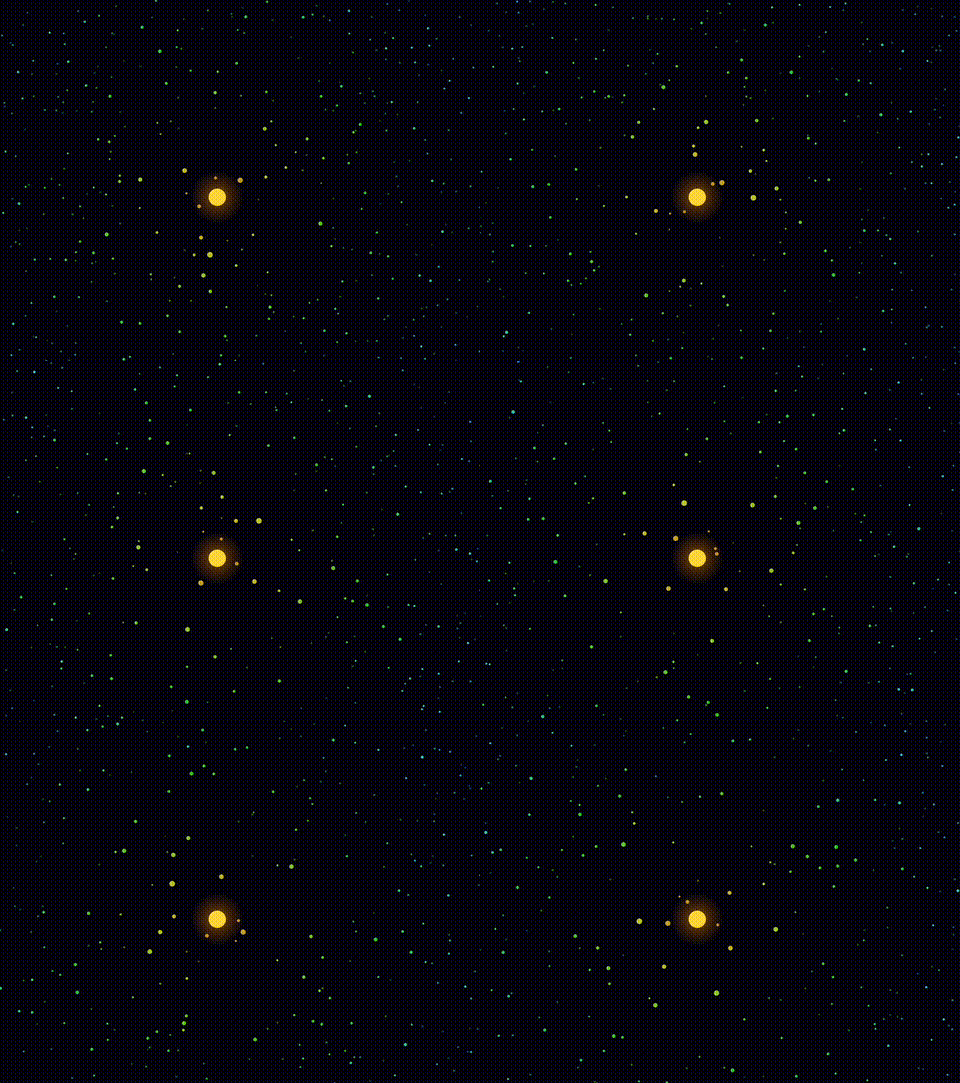
A simulation of the Kant-Laplace nebular hypothesis showing how planets form from a disk of rocks orbiting a sun. Watch 10,000 rocks collide and merge into larger bodies over time. Has some notion of free hydrogen to be scooped up by larger planets
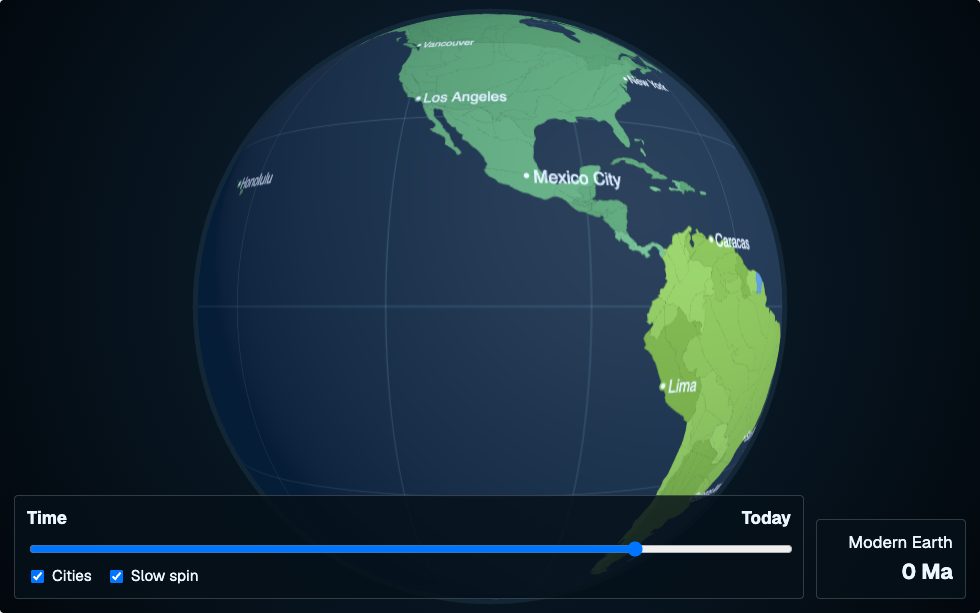
A rotatable Earth that drags today's countries and major cities through the Merdith 2021 plate reconstruction model, plus a simple future extrapolation. Continents keep their color families while the land follows plate motion from 1000 million years ago to 250 million years ahead.
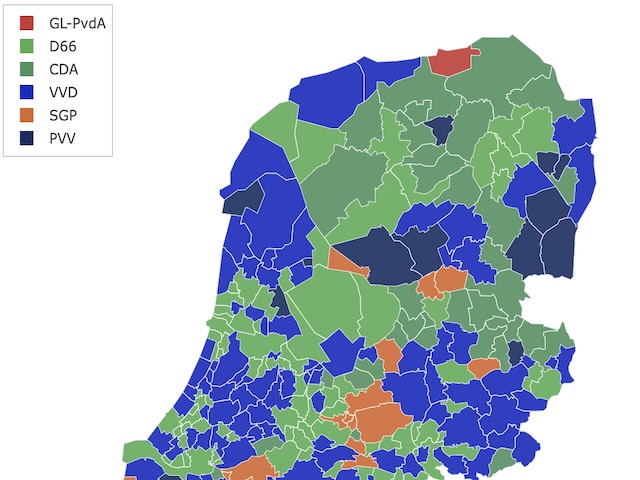
Exploration into different voting systems for the Netherlands. Simulating the 2025 Tweede Kamer elections under the normal proportional system, ranked choice, first passed the pole, two round run off and median voter.
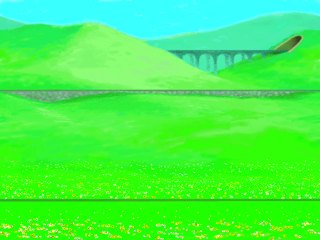
A browser rebuild of the 1998 Dutch railway screensaver by Oberon, using the recovered original train and landscape assets.
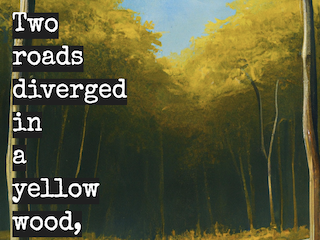
Based on OpenAIs DALL-E-2, The AI not taken generates illustrations for well known poems. For each poem there is an associated artist (usually from the same time, maybe same style) that is used to create an image in that style matching each line of the poem.
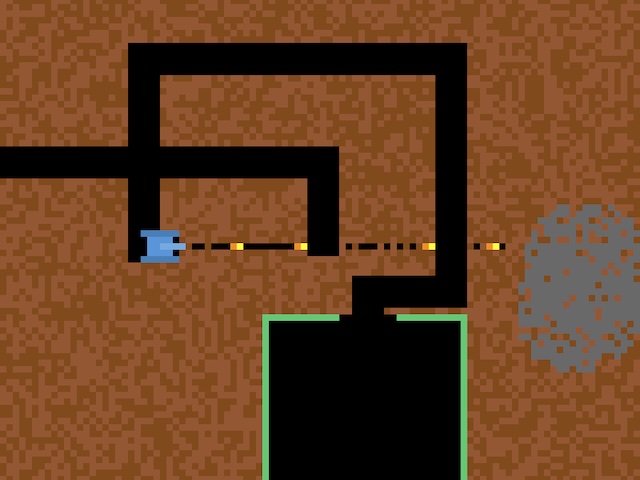
Classic tank battle game. Dig tunnels, find opponents, and destroy them before they destroy you. Based on the original DOS game but now playable over the web.
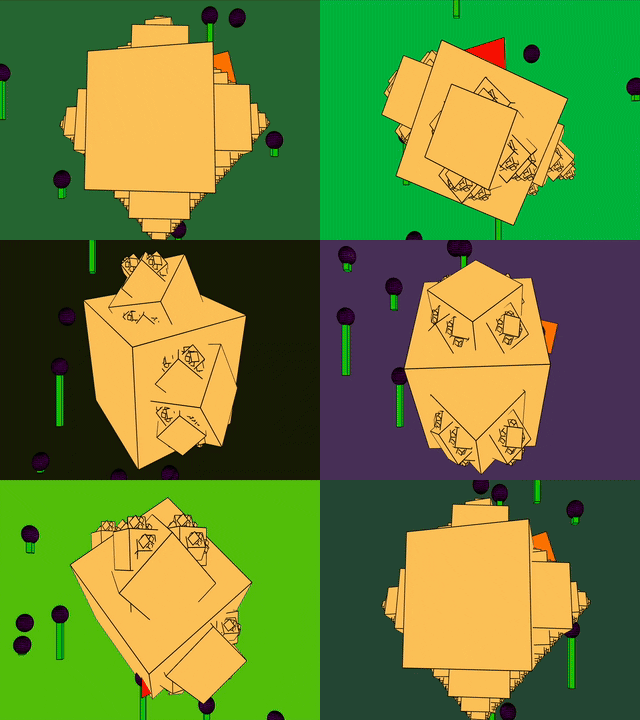
Start from a simple square and follow different evolutionary paths to create a complex animation. Each step the AI will create a new animation based on the previous one and your prompt.
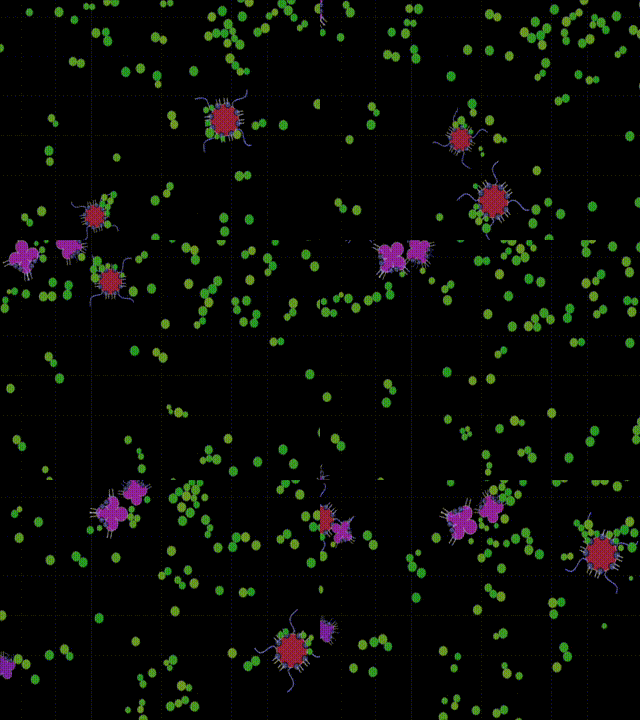
Alife simulation of a creatures with various shapes, body parts and run by a neural network.
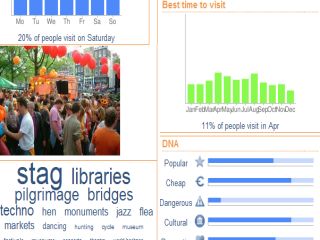
Triposo was a startup whose goal it was to write a travel guide of the world using AI and the content on the web. Got reasonable traction but might have been a little too early for its time. Was fun though.
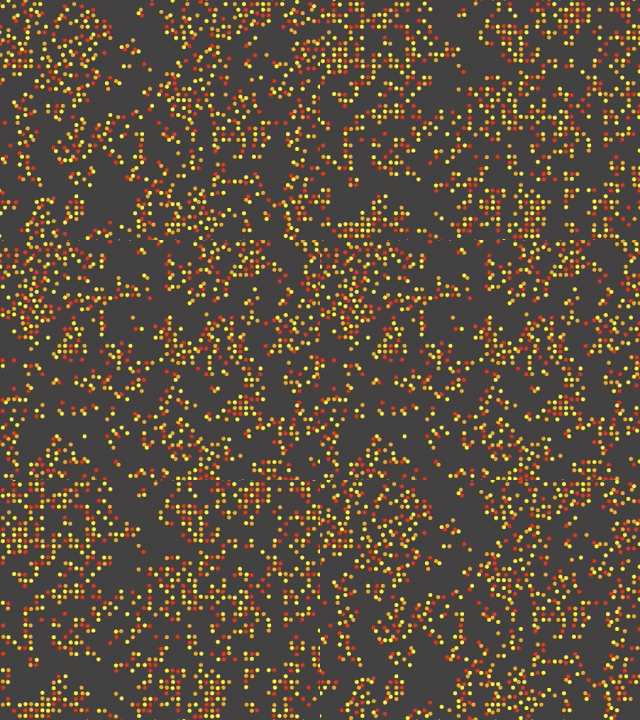
A tribute to John Conway, the inventor of the Game of Life. In this cellular automaton, cells can move to adjacent fields and are governed by a random matrix of attraction.

An MCP server that lets AI agents like Goose publish static websites as Tor hidden services (.onion sites)
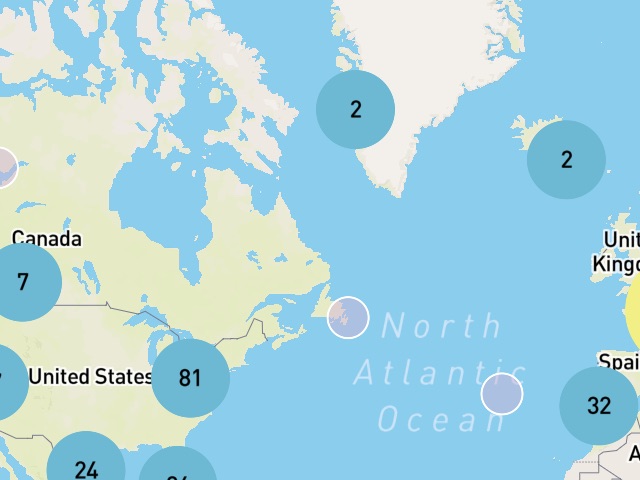
A world travel guide generated by GPT3 from back in the day. LLMs these days are of course much better, but that's the fun! This is an almost historic document to the true hallucinations GPT3 had. It all sounds convincing and it is almost all not true.
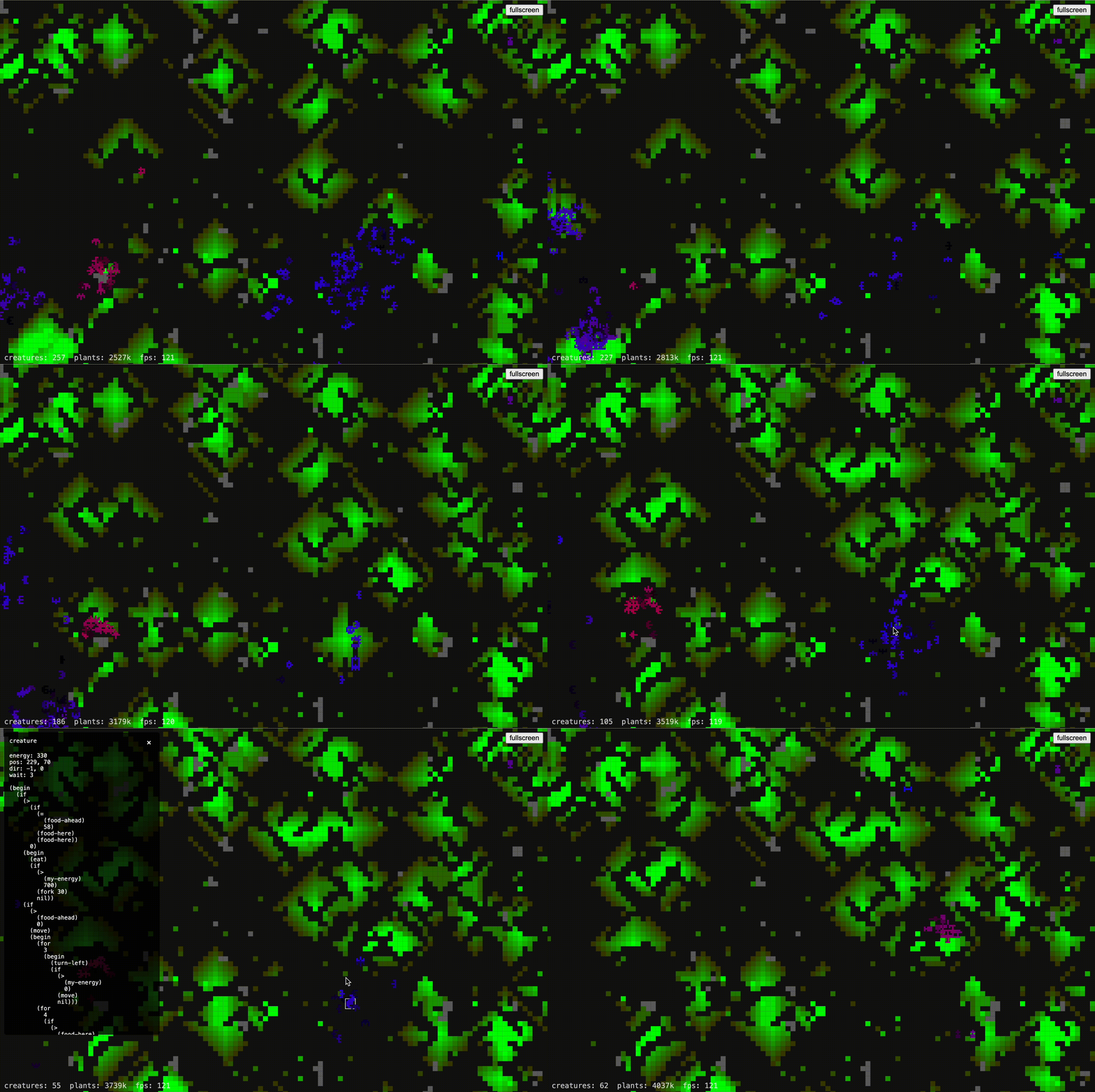
Vendian is an a-life simulation. Every creature runs a Lisp-like program and the program evolves. The best program wins. You can write your own programs or see evolution work. Or get your friendly LLM to pitch in.
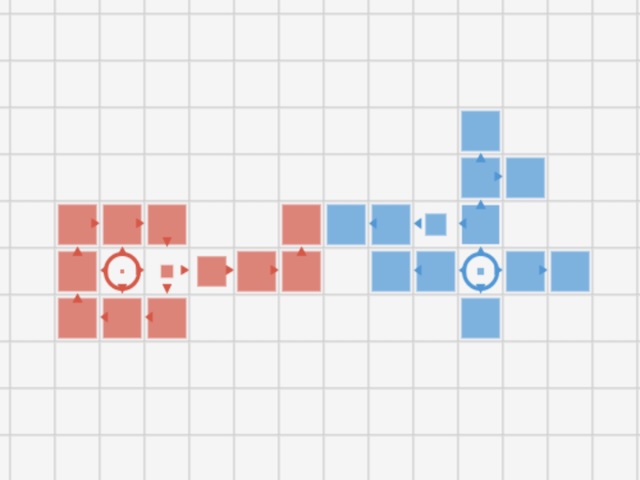
Classic multiplayer strategy game. Build armies, capture territory, and defeat your opponents.
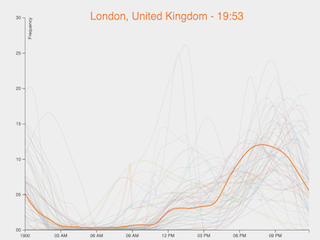
They say New York is the city that never sleeps. But is it true? This visualization shows the relative popularity of bars over time for a variety of cities. Take it into account when planning your next trip.
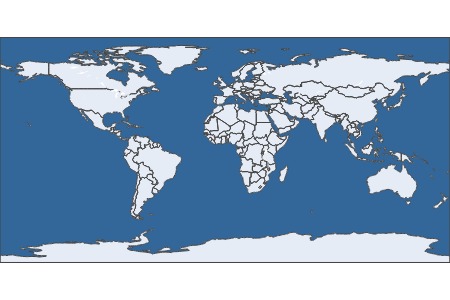
The OG of douwe projects. A map of the world where you can color in the countries and territories you have visited. You get the code to put the map on your website. If you want to edit the map, just paste the code back into the box.

Nobody has business cards any more, but sometimes you want to exchange contact details. This project allows you to add your contact details as a qr code to your lock screen. So just pull out your phone and let the other person scan your qr code without even unlocking your phone.
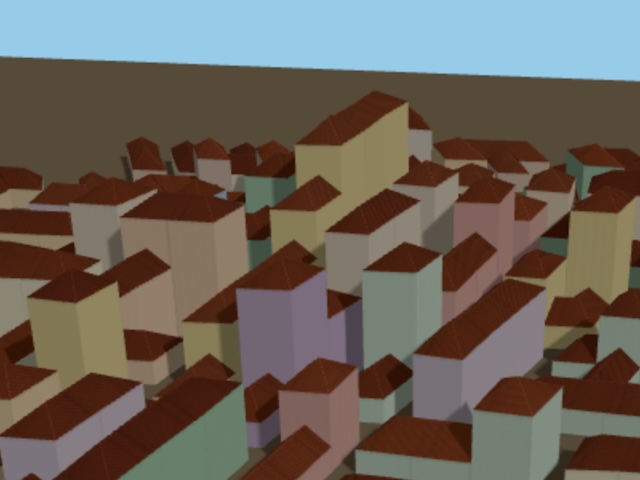
3Ds and modern LLMs make for a powerful mix of creating a demo. Here's one
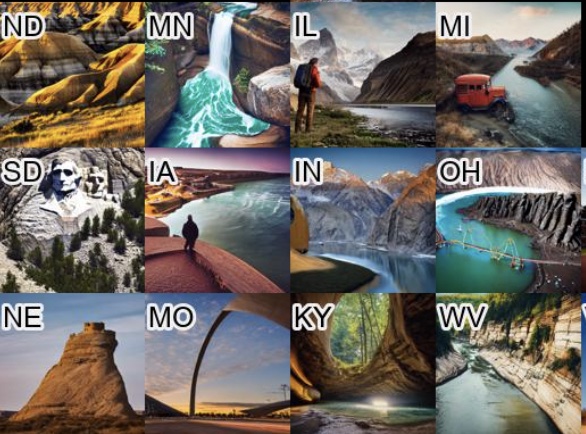
Generated using stable diffusion, here we have the states and DC each represented by an image of their top attraction. Top attractions were determined using GPT-3 so it's a fully AI generated travel guide.
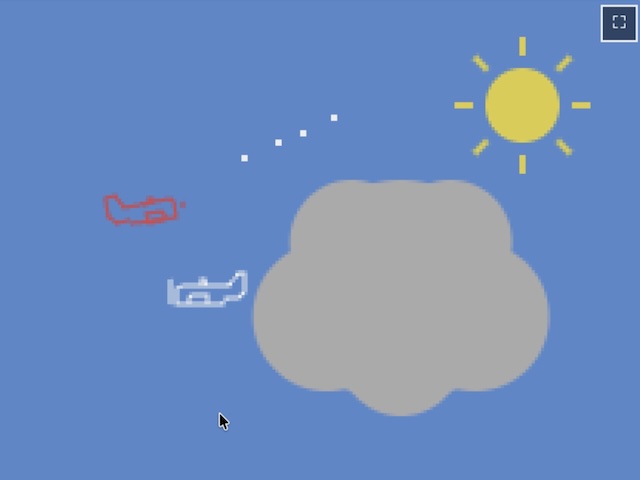
Classic BBC Micro aerial combat game. Two biplanes battle in the sky, hide in clouds, and try to shoot each other down.
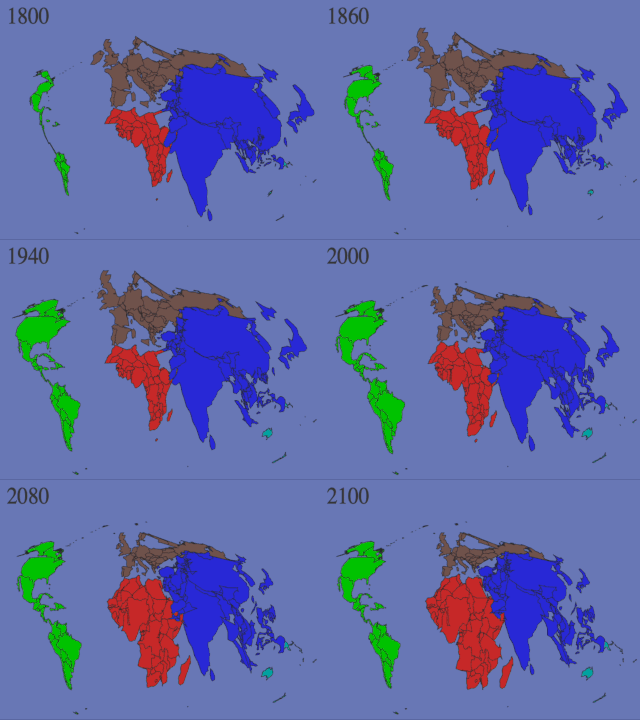
Inspired by Gapminder, this shows the population of the countries of the world by morphing their shapes from 1800 to 2100.

World66 was my first travel startup. The idea was to let people write a travel guide of the world, wiki-style. It actually predates the wikipedia, so we might have been on to something. The site got sold and then merged with wikitravel. Wikitravel is still around, but world66 is not.
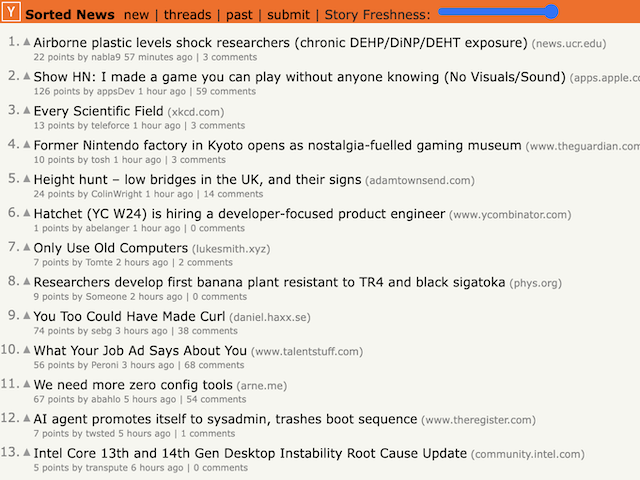
Change the sorting of hackernews based on freshness - high scoring old news vs low scoring new news.
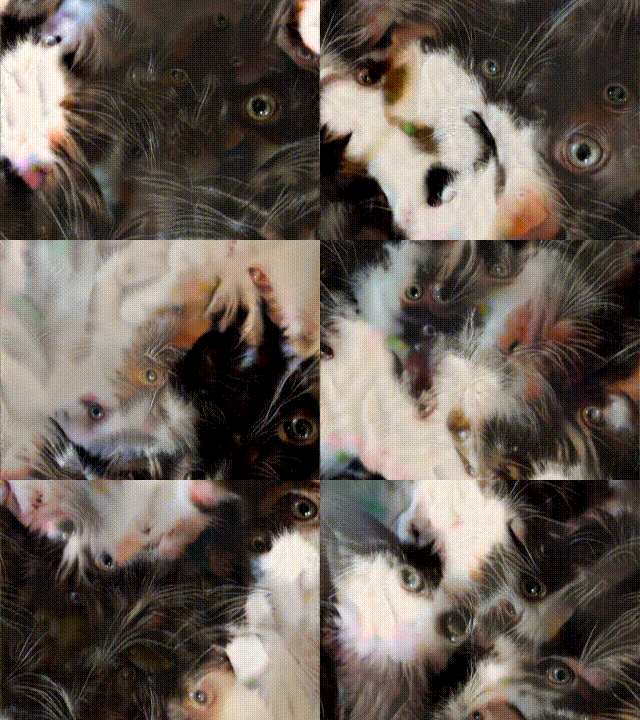
Gramzoom uses the key element of the Style Tranfer Algorithm to create an infinitely zoomable movie from any image. It works best with images that are self similar, but anything will really do. Can cats look evil? It might just break the Internet.
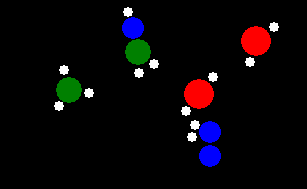
Caerfai is a simple system simulating chemical reactions. Atoms move around and when they hit each other might form bonds. H, C, N and O dance around. You can change the temperature and see that a mixture of H2 and O2 a lower temperature is stable. similar endevours.
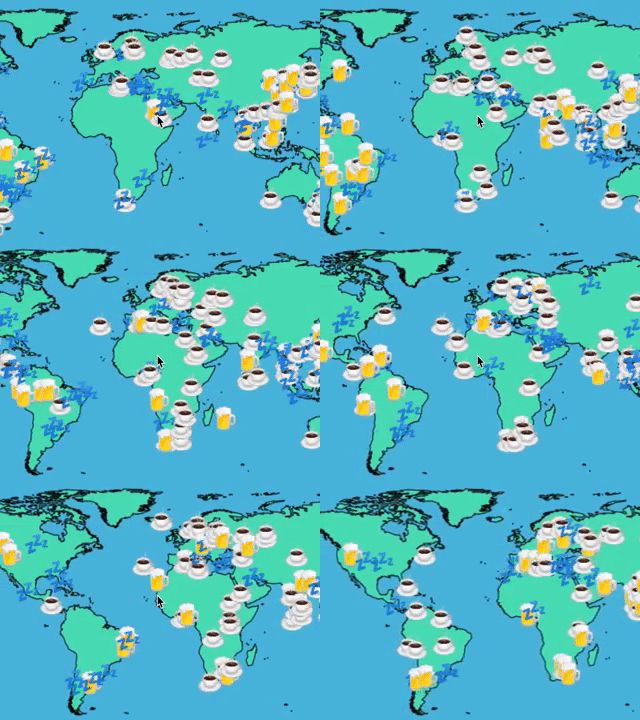
Extracting emojis from geocoded tweets allows us to show them over a 24 hour cycle on a world map andobserve when people do certain things, like drinking coffee, sipping beer or sleep.
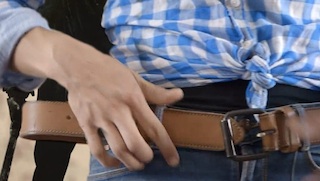
The Triposo travel belt is an implementation of an old idea of mine to give people a sense of direction by adding little buzzers to a belt that are connected to a device that knows about locations, in this case a smart phone. Every time you need to turn in a certain direction, the buzzer in that direction will go off and you can move around time without having to look at your phone.
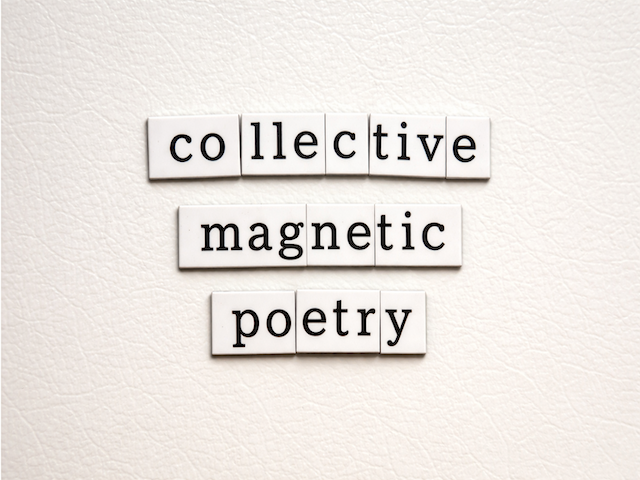
Create poetry on a virtual, infinite fridge. Each word is a magnet that can be moved around, just like you know from those kits. The difference is that this fridge is shared with everybody who is on the site at the same time. So you can create poetry together. Oh and it is infinite.
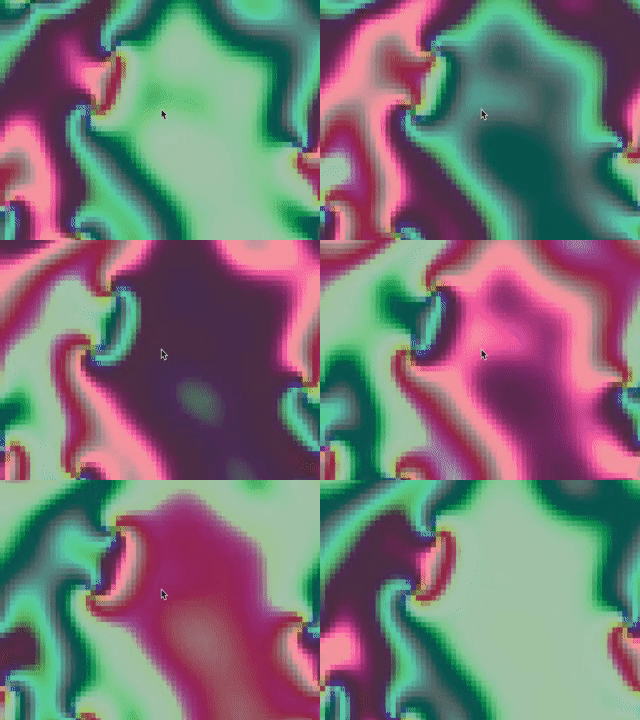
The Archean project explores self organization by multiplying the six dimensional strings in a matrix world with a transformation matrix, a little like Conway's game of life, but then in full color. From a random pattern something more ordered emerges. Different every time!
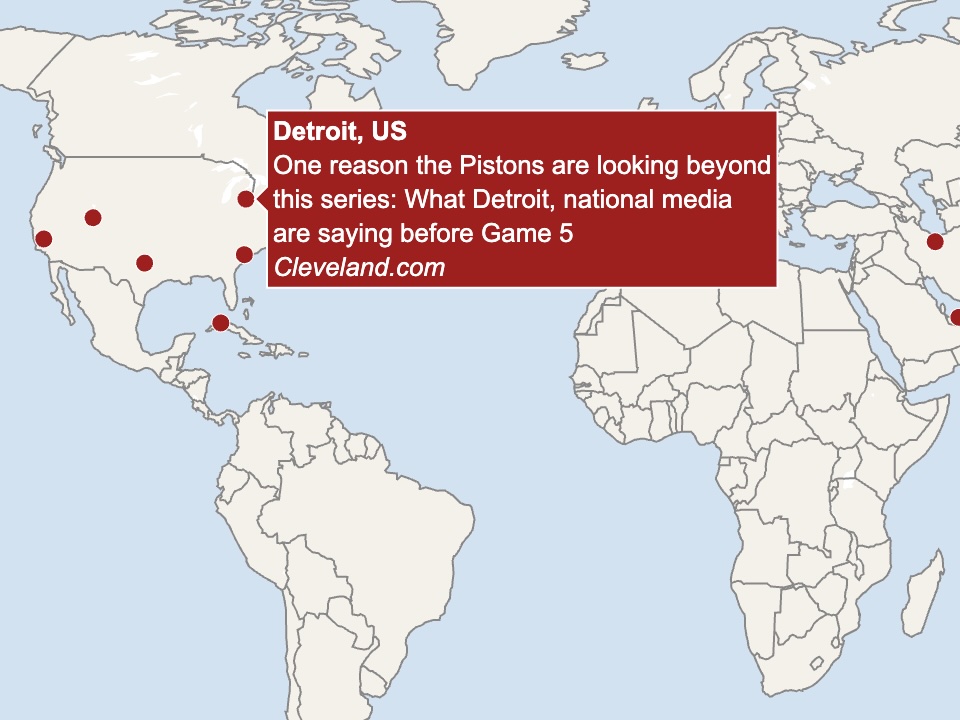
Pin live Google News headlines on a world map. Locations are extracted from each headline with a small NER model and resolved against the GeoNames gazetteer. Based on the original from 2004
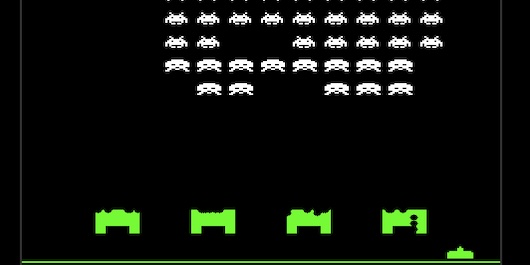
Classic arcade shooter. Defend Earth from waves of descending alien invaders!
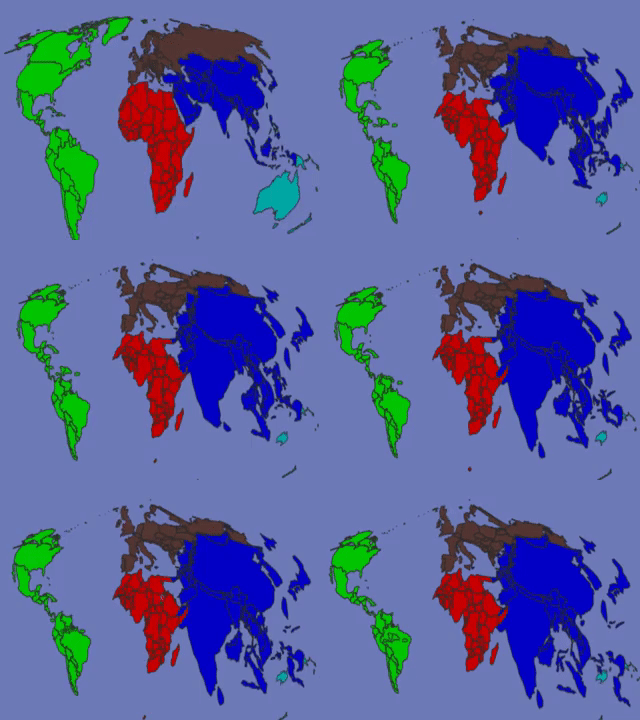
What does the world look like if we size countries by population, GDP, emissions, or another measurement?
Calculate the color associated with an image by averaging the images when searching for this word. The ocean is blue, mars is red.
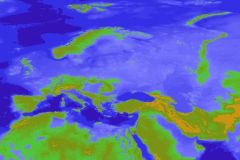
Combines population density with an elevation map to show how many people are at risk given a certain amount of sealevel rise. Obviously doesn't mean that the sea will rise that much, but it still shows you how coastal our species is.
Nobody has business cards any more, but sometimes you want to exchange contact details. This project allows you to add your contact details as a qr code to your lock screen. So just pull out your phone and let the other person scan your qr code without even unlocking your phone.
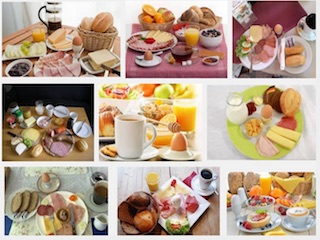
Translating words from one language in another seems straight forward enough. But translating one word to a different culture is sheer impossible. Breakfast translates to 'Ontbijt' in Dutch, but the meal differs significantly. Culture Lense shows this by using Image Search to visualize words not in different languages, but in different cultures.
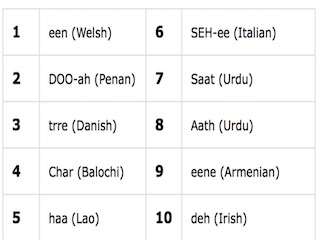
Create universal numbers by comparing the edit distance between all numbers from Wikitravel's phrasebooks and for each picking the 'median' one. As a side effect, create a tree an evolutionary tree.
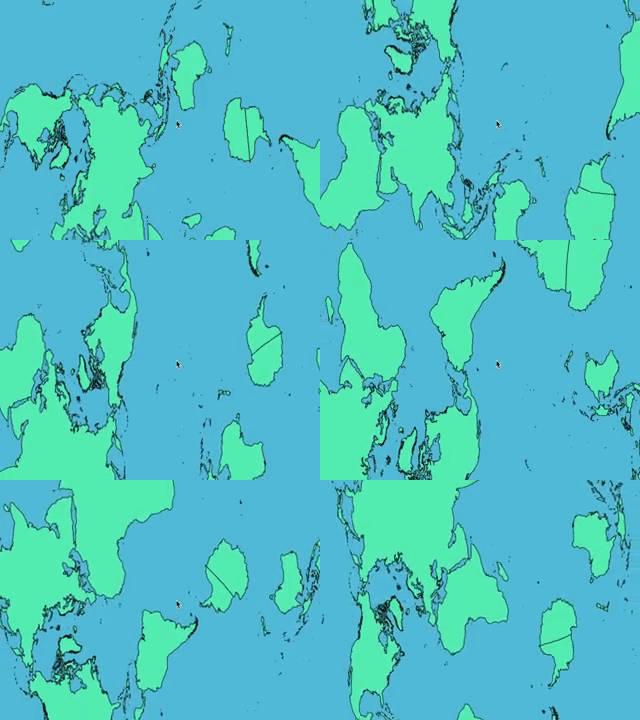
Mercator projection is bad. By enabling the pole to be changed, we can better understand the distortions caused by the Mercator projection.. Make Greenland small again!
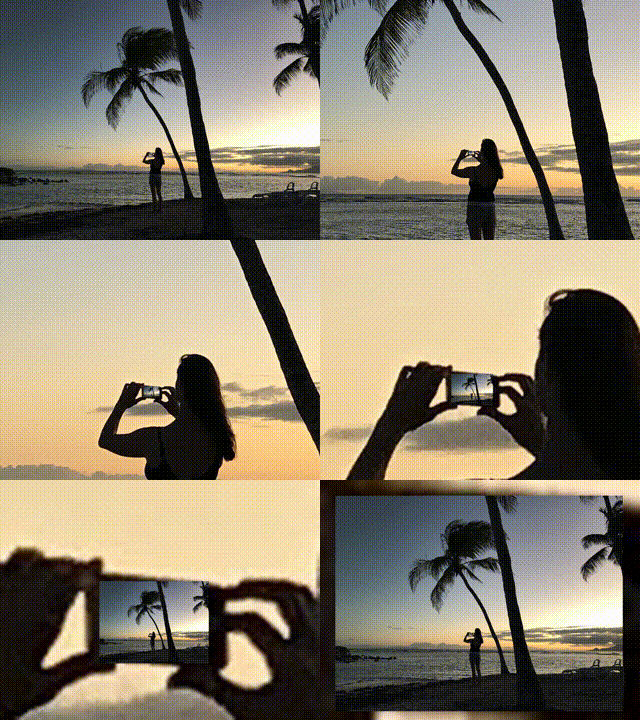
Small project to create movies from pictures that could "recurse", i.e. part of the picture could be replaced by the picture itself. Especially relevant in these days with everybodytaking pictures using cell phones all the time.
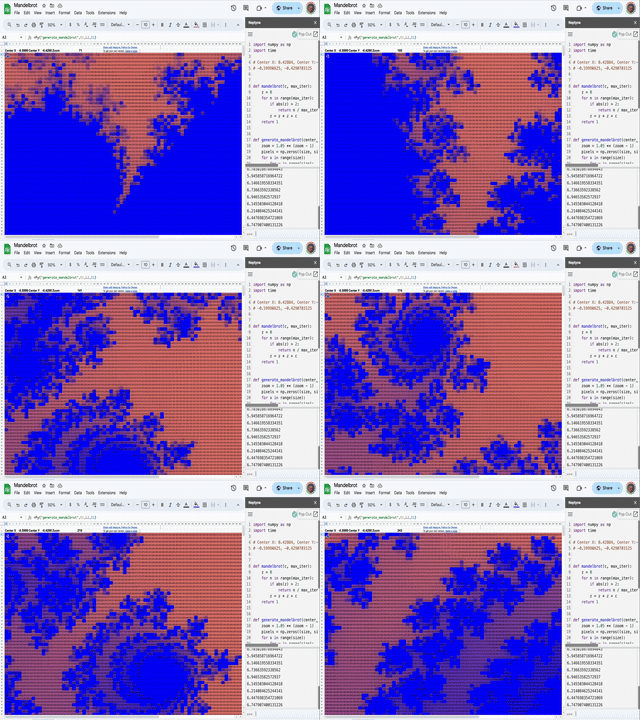
Animation of the mandelbrot set created in Google Sheets using Python by way of the Neptyne Sheets add-on. There are more productive ways to use Python inside of Google sheets, but this is more fun.
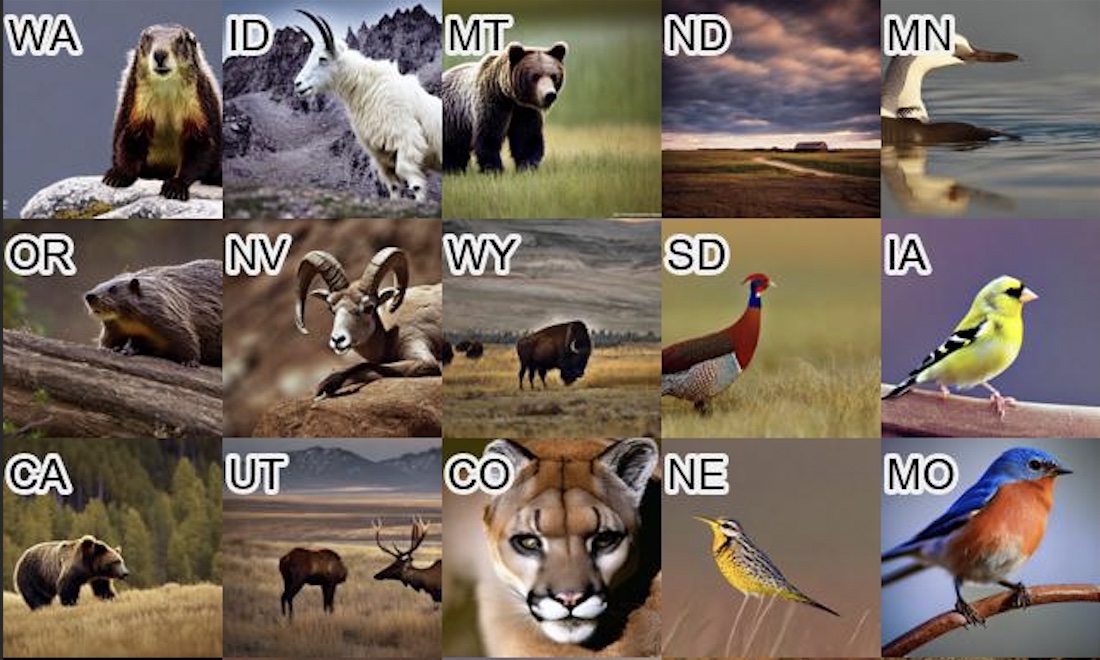
Generated using stable diffusion, here we have the states and DC each represented by an image of their state animals. Another historical example of how revolutionary this was at the time and now trivial for anybody with access to their favorite chatbot.
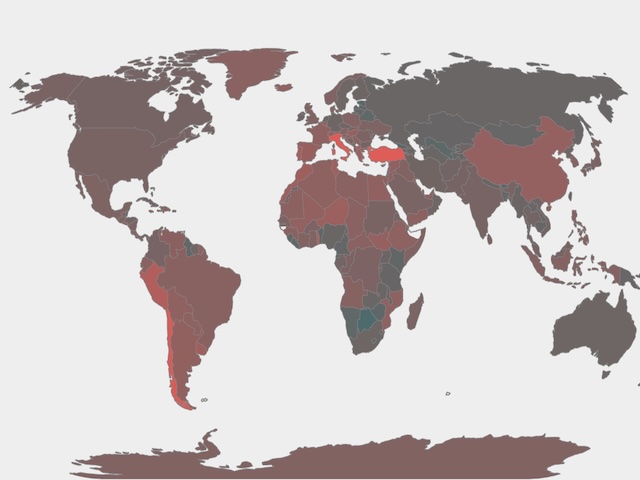
Color a world or US map by how semantically close a word is to each country (or state) name. Built on Google News Word2Vec. The geography of meaning ends up remarkably readable: "vodka" lights up Eastern Europe, "desert" the dry bits of the planet.
A few weeks ago some old friends came visit me from the Netherlands. Since we didn’t just want to sit around drinking beer and reminiscing about our salad days, we decided to undertake a Project. It was great fun. It also taught me that Dropbox is the new Unix pipe. The glue that holds your digital hobby project together.
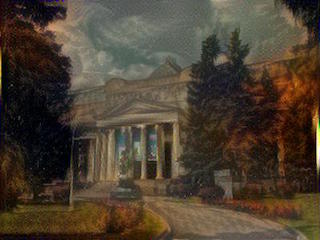
Using the Artistic Style algorithm to restyle pictures of museums in the style of their most famous painting. This way you get immediately an idea of what to expect at these museums. Uses data from Wikipedia, Wikidata andthe Wikistats. Uses Anish Athalye Tensorflow implementation
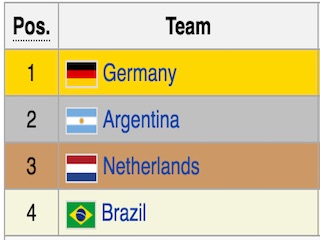
Monte Carlo tournament simulator. Reads pre-tournament ELO ratings scraped from eloratings.net and runs 10,000 simulations of the groups and bracket, with controls for home advantage, recent form, ELO strength, and late-round effects. Edit ratings, fix match scores, tune the model, and backtest it against past World Cups and Euros to see how the probabilities shift.
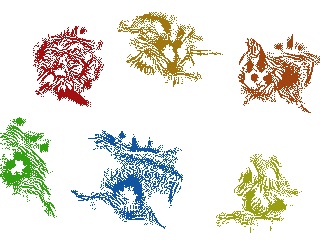
An implementation of deep dreaming where the network is restricted to just black and white and starts with a blob in the middle. It forces it to draw from the center and create ink like patterns.
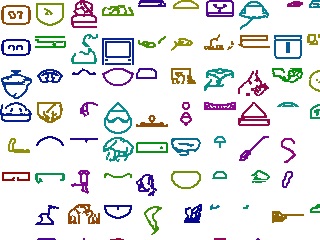
Using Recurrent Neural Networks to generate Icons and Hieroglyphs. The icons are encoded in a machine learnable format.
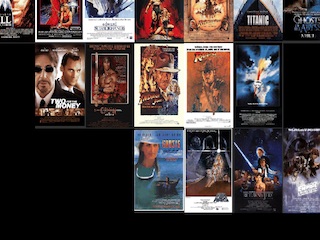
A movie recommender trained not on people rating movies, but solely on the outgoing links from the Wikipedia article. By forcing the recommendation vectors into two dimensions, we make it possible to explore movies and their neighbors.
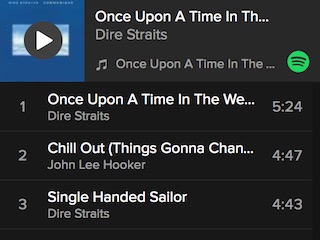
An implementation of a Spotify-like song radio based on Word2Vec. Based on a large set of crawled playlists and using those playlists as sentence equivalents. The Word2Vec algorithm then produces a vector per song.
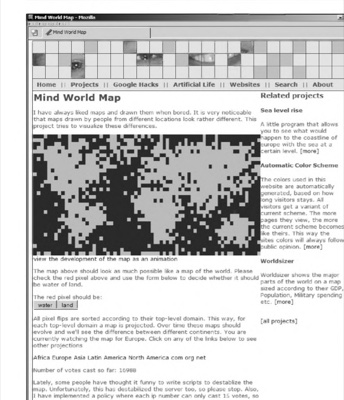
I have always liked maps and drawn them when bored. Maps drawn by people from different locations look rather different. This project tries to visualise those differences by asking visitors, one pixel at a time, whether a given cell of a 64x32 grid should be land or water. A revival of the original 2002 project.
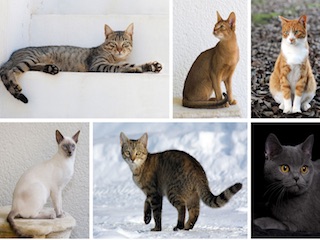
Use a pretrained image classifier to power a reverse image search engine like the Tineye or GoogleImage search. Returns only from a rather select set of images.
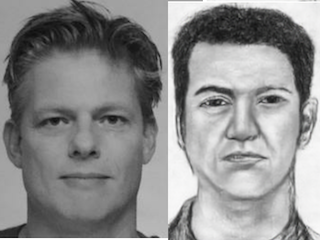
Deep sketch uses pix2pix to convert images to sketches. It runs inside of the browser using tensorflow.js, using the camera to capture a portrait and convert that into a sketch. The output drawings are far from perfect though.
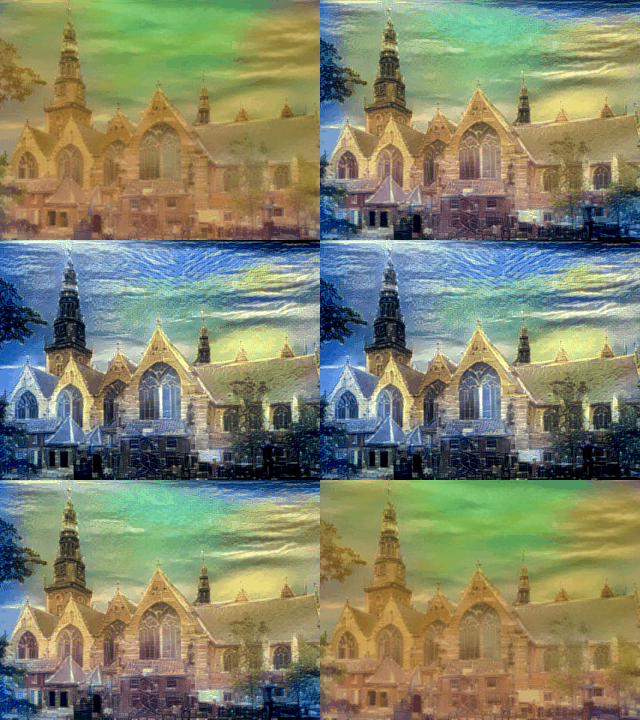
Adaption of the Keras implementation of style transfer supporting multiple style images.
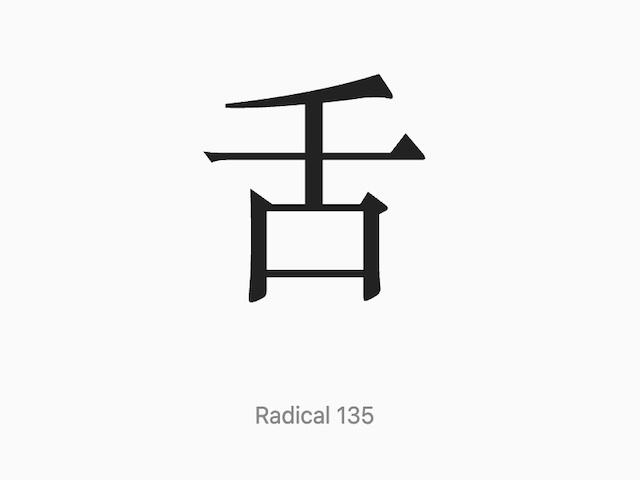
Flashcards for the 214 Kangxi radicals — the building blocks every Chinese character is composed of. Born from the idea that learning to read Chinese is much more tractable than learning to write or speak it. Originally a 2004 Windows desktop app, reborn as a browser tool using the Unicode radicals block (U+2F00–U+2FD5).
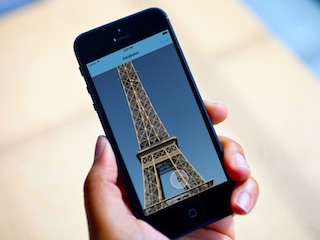
From the pseudo-Japanese for 'Empty Camera', Karakame is an iOS app that let's you take a series of pictures from a scene where people walk in and out of the picture and will then remove those people. Neat if you are a busy tourist site.
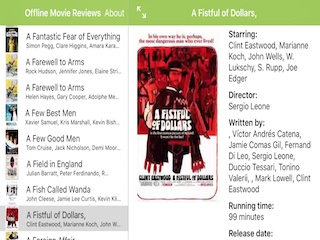
Toy app for me to learn Swift, but also kinda useful as it lets you take reviews of movies with you in the plane so you can decide what to watch while not having access to rotten tomatoes.
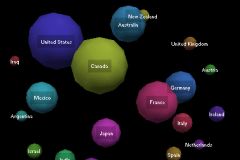
Physical distances are not the same as psychological distances. Physical distances are easy enough to measure, but how do we go about measuring psychological distances? The Mapped Web does this by taking the chance that given a page contains the name of one country it will also contain the name of another country as a measure for psychological distance. The resulting images show us how close countries are to each other in psychological terms.
This project uses the twitter api to automatically generate tweets based on what is commonly tweeted. It listens to the general tweetstream and captures fragments. By randomly recombining those fragments something that reads almost like real tweets appears. It also gives an interesting insight into what the average user uses twitter for.
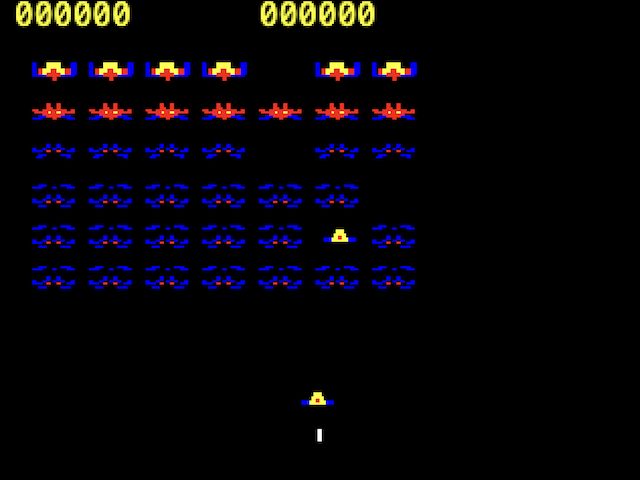
Classic BBC Micro shoot-em-up. Defend Earth from waves of diving alien invaders!
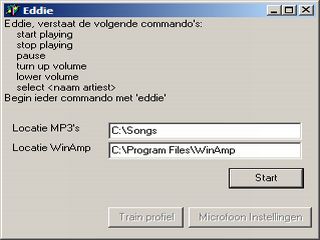
Eddie is Siri from way before Siri was a thing. Dating back to 2002, Eddie ran on a desktop PC listening to a microphone and was able to play music based on voice commands.
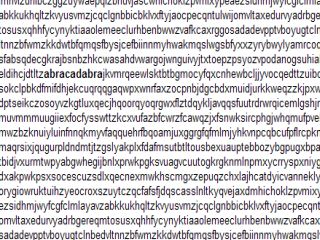
There is a monkey hitting a typewriter at random. He is only hitting letters and that the chance for each letter to get hit is equal. Do you have to wait on average longer, the same or shorter before the monkey will have typed 'abracadabra' or 'abcdefghijk' (i.e. a string with an equal amount of characters)? Let's find out.
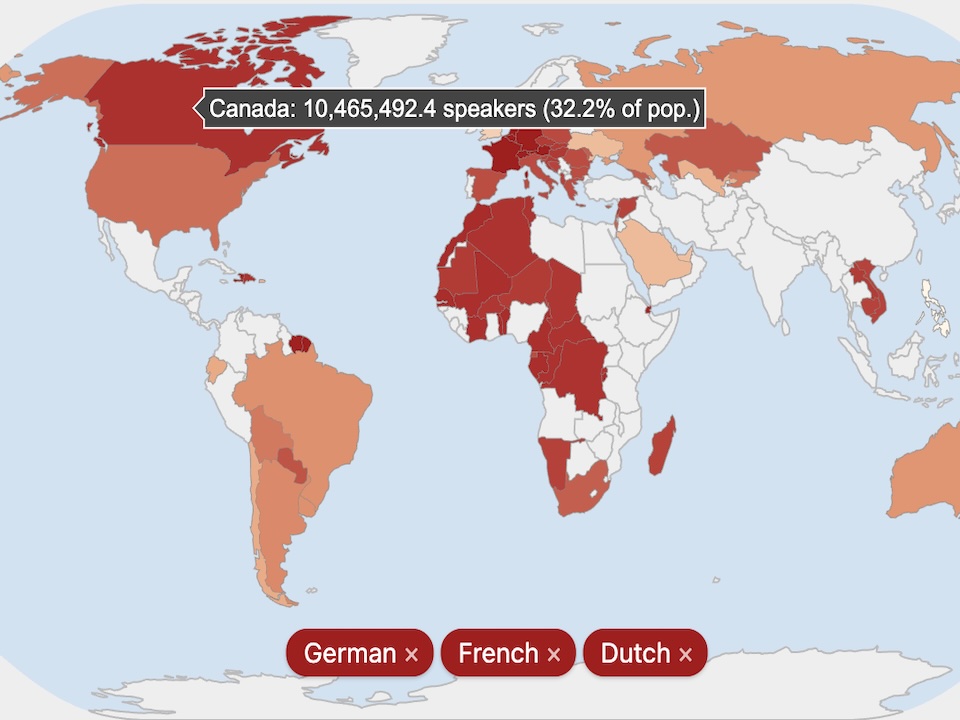
Tick the languages you speak and find out how much of the world's population you can have a conversation with — plus a colour-coded map showing where those speakers live. Data is the 2004 snapshot from Encarta-via-the-original-Zope-project; updating to a current dataset is a future job.
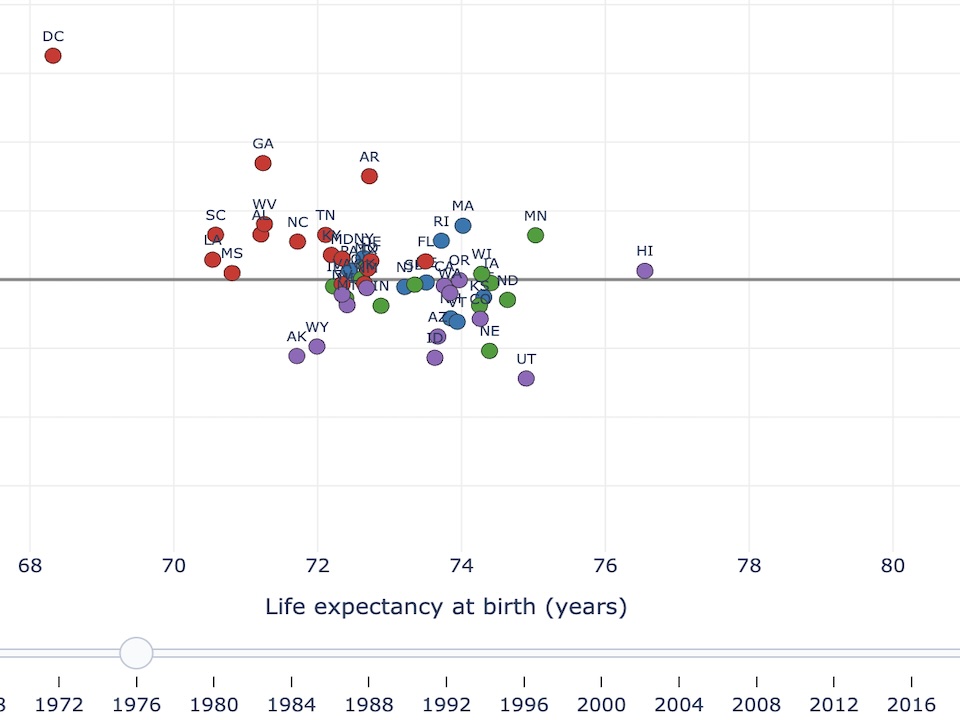
Sixteen U.S. presidential elections plotted against state life expectancy at birth, 1960 to 2024. Hit play and watch the cloud rotate: in 1960 high life expectancy correlated with voting Republican; today it correlates with voting Democratic.
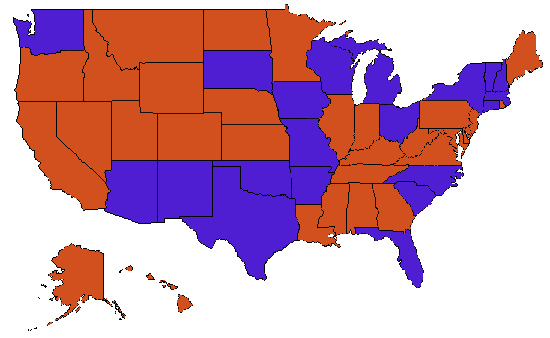
Headstones for the cluster of 2003-2009 hacks I built on top of Google's SOAP Search API, AJAX Search, Translate v1 and Image Search HTML. All of those APIs are now dead; this page keeps the ideas alive.

A playful, self-scored flash-card app. Its first deck contains all 128 U.S. citizenship test questions. Missed questions return soon, familiar ones fade back, and all progress stays on your device.
The louder he talked of his honour, the faster we counted our spoons.